Money Makes the Dog Dance. Until it Doesn't.
Most salespeople are unmotivated. They're just 'going through the motions.' And that leads to mediocre results.
Carlos Agami · February 25, 2026
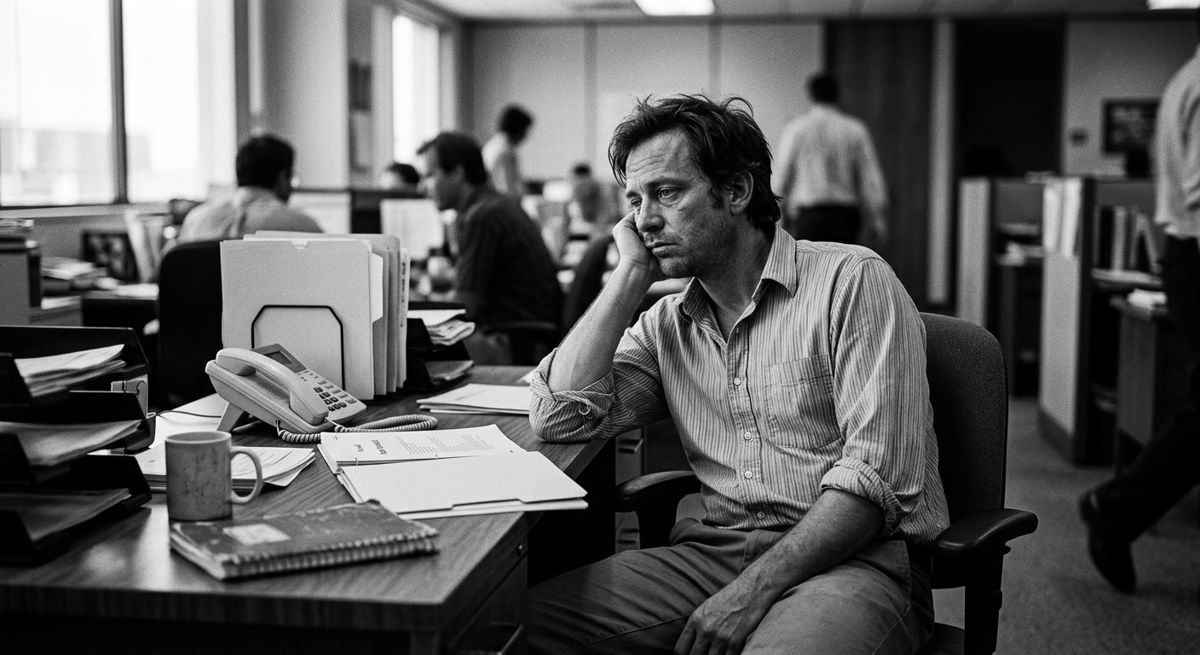
Most salespeople are unmotivated.
They're just "going through the motions."
And that leads to mediocre results.
And the worst part? It's not their fault.
It's their bosses' fault.
Look.
My wife and I are huge Disney fans.
We love it. Sometimes even more than our kids do.
But every time we go, we face the same problem:
those damn gift shops.
The geniuses who design the parks understand kids.
And they make the exit of every ride lead into a store.
You just left in love with Buzz Lightyear.
Or Winnie.
Or The Little Mermaid.
You walk out smiling.
And suddenly, the store.
Full of toys that seem to say:
"Take this feeling home with you."
I admit it.
It's hard to resist.
Even I've fallen for it. My closet proves it.
For kids, it's even harder.
Of course, they want the toy.
And when Mom or Dad says no,
the tantrums begin.
You see kids crying.
And parents thinking:
"I brought you to Disney, and you're crying over a blessed toy?"
It's exhausting.
It angers even the most zen dad in the world.
After many tantrums, my wife and I understood something.
The problem isn't the toy.
It's the uncertainty.
So we did something simple.
- Each day, they can choose one small toy. Just one.
- And at the end of the trip, one large toy that fits in the suitcase.
Period.
Result:
- They know they have a guaranteed gift.
- They stop asking for every single thing they see.
- They focus on enjoying the park.
When the prize is clear, they stop obsessing over it.
And it doesn't just work with my kids.
It also works with your salespeople.
I used to believe that money was enough.
That if the bonus was big enough, they would react.
I'd raise commissions.
Adjust bonuses.
Introduce contests.
I hoped they would wake up.
They didn't.
Unmotivated salespeople.
Like sleeping zombies.
And you?
Frustrated. Thinking the problem is them.
But you designed the system.
Let's see.
Yes, they want to earn more.
Of course.
But they also want to:
- Grow.
- Feel useful.
- Know they're progressing.
- Be recognized.
With money, you buy effort, but only temporarily.
Commitment is achieved differently.
When the only thing that matters is the prize, nobody enjoys the game.
And when nobody enjoys the game, the standard drops.
So, what to do?
The same thing I did at Disney.
Define the money upfront.
Give them stability.
So they're not constantly worrying about paying rent.
And then change the conversation.
When money stops being the focus,
they stop asking how much they'll earn.
And they start asking how to improve.
By the way.
This isn't advice I came up with in the shower.
It's proven.
Daniel Pink explains it in his book "Drive."
Alfie Kohn develops it in his book "Punished by Rewards."
Purely economic motivation has an expiration date.
I opened 7 slots for diagnostic calls with me next week.
Seven.
That's it.
Not to talk about commissions.
To review the entire system.
Detect what's causing the apathy.
And what you need to adjust so your team plays seriously again.
If you want one of those slots, apply.
Here
I personally review each case.
Warmly,
Carlos
P.S. Remember, serving is the path.
P.S.2 If you're not ready for a conversation yet, you can start here and do the diagnosis on your own: Test
—
Shopology S.A. de C.V.
Av. Pacífico 468 Local C, Coyoacán, Ciudad de México, CP 04330, México
unsub1024
Full guide on this topic: Leadership.